


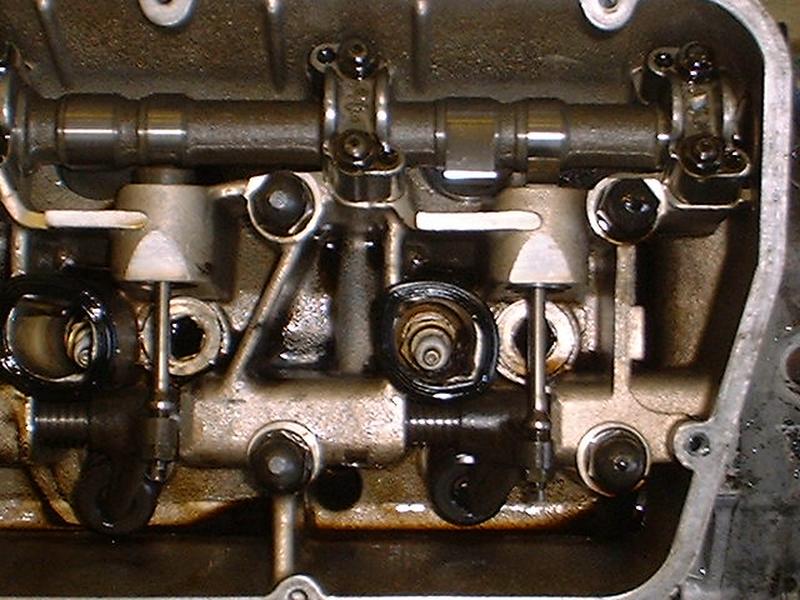
V6 12 Valve rocker shaft
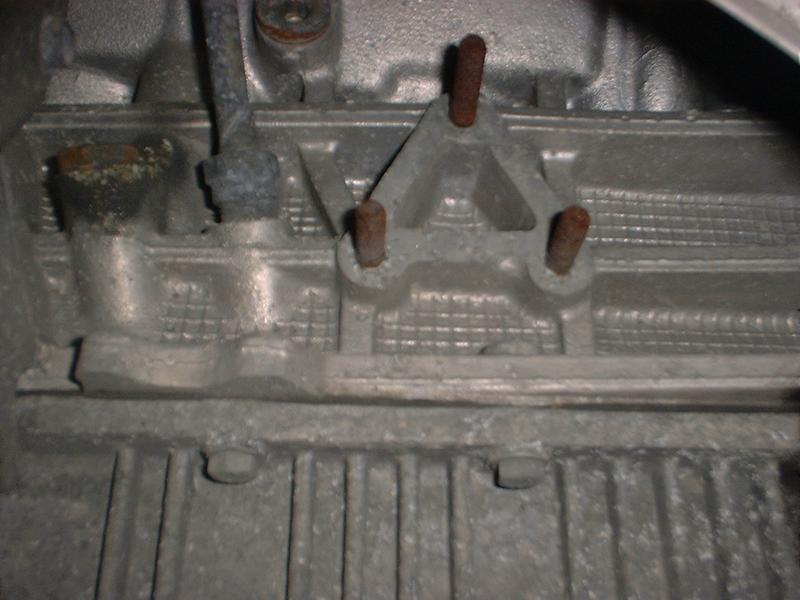
GTV 3.0l engine mounting

GTV6 engine mounting
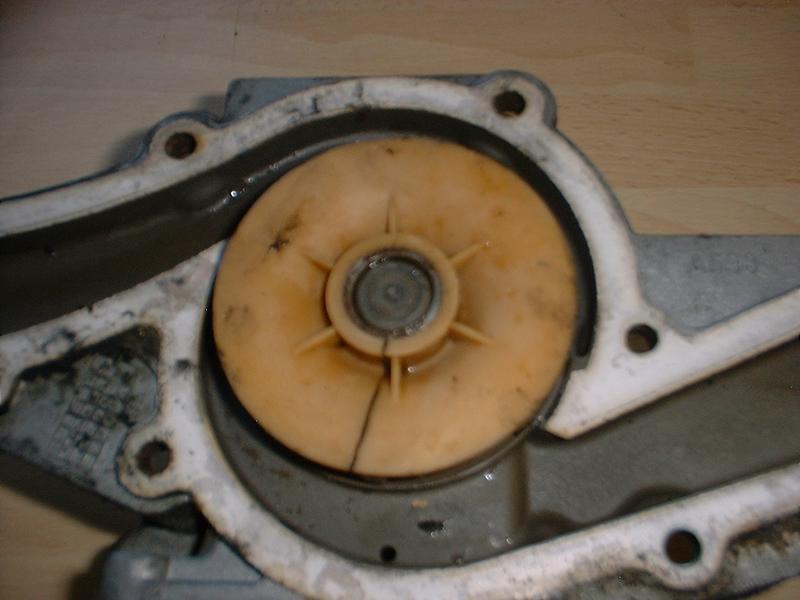
156 V6 water pump impeller
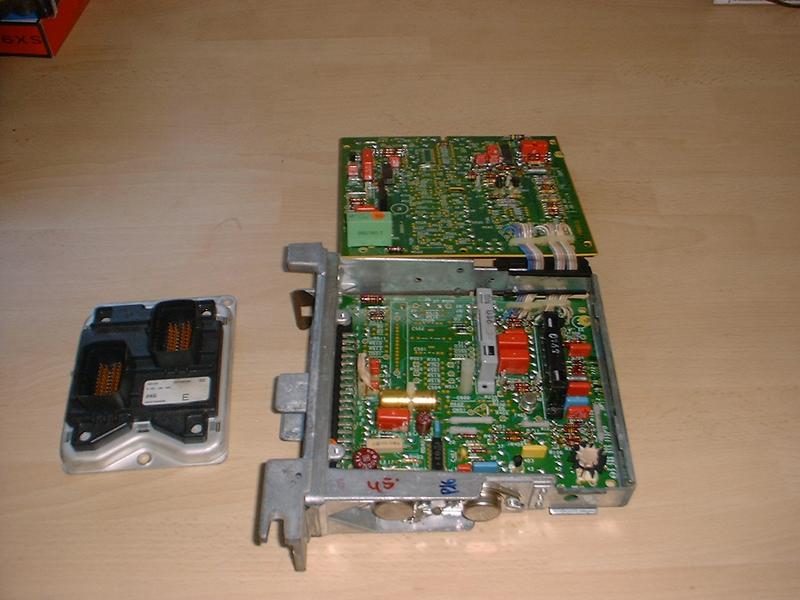
GTV6 and GTV3.0l Engine ECU
The Alfa Romeo V6 Engine
Alfa Romeo owners club article on the V6 engines Alfa have used (Feb 2012)
Christmas has come and gone and seems a distant memory now. The workshop is back in full swing, we have a couple of nice big jobs in for us to get our teeth into so life is good. Those of you who know me will be aware that I drive a 2004 147 GTA as my day to day car and I love it to bits. It may not be the fastest or prettiest car on the road but it has attitude; every time you turn the key you wonder what it will do today to try to kill or maim you, it doesn't mean it, it just happens. I often liken it to a horse, skittish and not totally predictable and maybe spooked by its own shadow at any time. The 147 GTA does have the odd issue though, the most disturbing of which is its fuel consumption. On a cruise it might get 27 to the gallon but driven spiritedly you will only get 22mpg and with the price of fuel today that could make ownership a very brief affair, luckily I only have to drive a couple of miles to work and so that isn't an issue. I do regret the passing of the Alfa V6 engine, eventually, we may get another one but I suspect it may be a few years from now and when it does come it will come from across the pond via Chrysler. The reason for the demise of the V6 in favour of small engined 4 cylinder turbo cars is mainly due to their efficiency, fewer moving parts means less friction and therefore less fuel, we might even see the twin-cylinder MultiAir engine in an Alfa one day but I doubt it, it doesn't really fit with the image.
Having a V6 Alfa is one of life's must's, it is a fantastic engine with creamy smooth power delivery and the ability to rev forever it has to rate as one of the greatest engines ever. Originally designed in the early 1970s by Giuseppe Busso it has come in all guises from a 2.0l carburettor engine producing 130 bhp up to the 3.2l 250 bhp version in my GTA. The first incarnations of the engine went into the Alfa 6 with a capacity of either a 2.0l or 2.5l. The original engine was single overhead camshaft with pushrods across the engine to operate the exhaust valve. The engine is oversquare, i.e. its cylinders have a greater bore diameter than its stroke length. An oversquare engine allows the designer to use larger valves in the cylinder head while getting lower friction losses because the distance travelled by the piston during each engine rotation is shorter. This also lowers crank stress because of the lower piston speed relative to engine speed. Due to the increased piston and head surface area, the heat loss increases as the bore/stroke ratio is increased which helps to balance the efficiency gains from lower friction losses.
The single-cam 2 valve per cylinder V6 engine will usually have a rev limit of just under 6000 rpm this is because the exhaust valve train is quite heavy (relatively). The exhaust valve spring has to push a rocker, pushrod as well as the follower, it doesn't have any trouble doing that but it can cause excessive wear on the exhaust cam lobe. Meanwhile, on the inlet cam, there is just a valve then a small shim with a follower on top of that, much more sporting! The combustion chamber of the two-valve V6 is very similar in design to the Alfa Romeo twin-cam engines, which isn't surprising as Busso originally worked on the 1900 under the leadership of Orazio Satta Puliga who eventually became vice president of Alfa Romeo. When installed in the transaxle cars the distributor is on the front of the engine on the left-hand side as you look into the engine bay, when the engine was transplanted into the 164 and other front-wheel drive applications this was blanked off. However, the oil pump that drives the distributor remains as it was mounted about 20 degrees from the vertical in the sump, the distributor when fitted, was then driven off the end of the front camshaft. The oil pump and distributor are driven off the cambelt on early V6's and just below them is the cam belt tensioner. This is pre-tensioned using a spring and it is then hydraulically adjusted using the engines oil pressure which works well but can leak oil.
The early engines did have two issues that caused some heartache. The first of these was a slight mismatch between the materials used for the valve and guide and this caused premature wear of the guides, nearly all engines you see nowadays will have had this sorted out. The other problem they suffered with was head gasket failure, or to be more accurate perimeter gasket failure. Instead of a composite gasket which was adopted on later engines, the early V6 had a sealing ring on the top of each liner and a rubber perimeter gasket to seal the water jacket and oil ways to the head, this had a horrible habit of leaking around the oil way which involved taking the heads off the car and replacing everything, I don't think that you will find any cars left with this arrangement as I haven't seen it for ten years or more.
The engine stayed recognisably the same until the advent of the 164 24 valve in 1993 when it was converted to 4 valves per cylinder. On this engine, the block remained basically the same as the earlier V6 with the oil pump mounted just off vertical in the sump (this is the engine to use in a 75 or SZ if you want to do a 24 valve conversion) and the 24 valve heads were effectively bolted to it. This is a bit of a simplification as other detail changes were made like the position of the oil filler. By the time the V6 24 Valve GTV came along in 1998 the engine had changed quite considerably, the most important change being the oil pump laid flat in the sump with chain drive off the nose of the crankshaft.
The demise of the Alfa Romeo V6 came when the 159 was released its V6 engine being sourced from GM, at GM it is referred to as the Alloytec or HFV6 engine (HF stands for high feature). While the displacement was the same as the Alfa Romeo engine there are no similarities in the engineering of the two engines. The engine is still oversquare with a bore of 89mm and a stroke of 85.6mm but it is less square than the Alfa V6, the Alfa V6 has a bore of 93mm and a stroke of 78mm. The smaller bores allow the engine to be a lot more compact, it is almost five inches (130mm) shorter than the old engine which helps with packaging in the engine bay. The GM engine has a narrower angle between the valves and the valves are operated by a small rocker, rather than the camshaft being directly on top of the valve, this all brings down the rev limit to 6200 rpm. All four camshafts are driven by chains and this seems to be the Achilles heel of this engine, we have not had one break yet because the sensors tell the engine management system where the camshafts are in relation to each other also tell you that the chain has stretched. The GM engine was designed to be able to take the capacity up to 4.0 litre's and it is quite capable of producing in excess of 325 bhp with the aid of a turbocharger. The GM engine, and in fact the whole 159/Brera project has its roots in the intended take over of Fiat at the turn of the millennium, as that agreement fell apart so has the engine sharing program. The joint venture was dissolved in February 2005 but the 1900/2000 diesel engine is still produced for both companies, Fiat and GM each maintaining a 50% interest in the powertrain manufacturing plant in Bielsko-Biala, Poland.
The GM 3.2 Litre engine has a much more advanced engine management system than its predecessor and this should mean it is a lot more efficient. However, this gain in efficiency was squandered by increasing the weight of the body shell it is fitted to. The engine has variable camshaft timing on all four camshafts and while this looks slightly old fashioned when compared with Multi-air it was one of the most advanced engines of the time, easily comparable with BMW's vanos system. The camshaft timing on this engine can be varied by huge amounts, double the amount a variator on twin spark can manage and this can be used to help with emissions. By changing the camshaft timing the exhaust gasses can be sucked back into the engine which creates what is called internal exhaust gas recirculation as opposed to recirculation by means of a valve (the EGR valve on diesels) this helps it meet the euro 4 emission standard. The engine is direct injection, meaning the fuel is sprayed directly into the combustion chamber, rather than being sucked into the engine with the inlet charge. This is more efficient especially during warm-up as no fuel is deposited on the walls of the inlet manifold or onto the back of the valve where it is not able to vaporise efficiently.
Moving forward we may see another V6 engine based on the Chrysler Pentastar engine. This engine is expected to use the multi air technology to make it more efficient and maybe in production by the end of 2012, The 3.2 Litre Pentastar engine is likely to have a bore of 90mm and a stroke of 83mm so is unlikely to be the rev hungry beast that the original Alfa V6 was but should be slightly reviver than the GM sourced unit. The revs are likely to be limited by the use of the MultiAir system so I expect a limit of around 6500 rpm. The engine is likely to be lighter than either of the other V6's but not by huge amounts. The engine will be fitted to the jeep Grand Cherokee initially. I suspect that it is unlikely to be found in an Alfa Romeo for quite some time as the four-cylinder engines can be made to produce so much power more efficiently, smaller capacity highly efficient engines are the way forward inside the EU as the bureaucrats continue to make the emissions standards more difficult to achieve. Interestingly this emission led legislation can make the cars less efficient as those of you with diesel particulate filters will be aware due to the constant need to regenerate the catalyst by spraying fuel on it. There are no plans at the moment to increase the stringency of the emission test for petrol engines however by 2014 diesel engines will have to half the amount of nitrous oxides they produce and I expect that Alfa Romeo will use the MultiAir technology in order to achieve this.
History and weak spots of the Alfa Romeo V6 engine 11/10/09
The Alfa Romeo V6 is one of the classic engines of all time, it is as famous as the A-series or the V12 Ferrari engines, It is and always has been revered for its creamy smooth power delivery and revvy nature. The first time we come across the engine is in the Alfa 6 where it was fed by a multitude of solex carbs however the Alfa 6 was not the best of sellers so we really did not get to 'know' the engine until it appeared in the GTV6 where it sported a very early Bosch fuel injection system and it produced 155 bhp from 2.5 litres, the engine has developed from there into the 3.2l GTA engine with 250 bhp. The original V6 is a single overhead camshaft engine with a short push rod and rocker over to the exhaust valve (Pic1), the inlet valve runs directly on the cam and this allowed Alfa Romeo engineers to get a decent angle between the valves so they could get a pent-roof combustion chamber. If you look in detail at the rocker onto the exhaust valve you will see the adjustment for the exhaust valve clearances and interestingly (to me anyway) if you undo the central nut on the camshaft drive pulley you can remove the camshaft to do the inlet valve clearances without taking the cambelt off, which is a nice bit of design. The engine was then enlarged to 3.0l while retaining the rocker arrangement for the valve gear and power was up to around 192 bhp in the 164 and 75 with tuned examples going up to 220 bhp. Alfa Romeo then developed the engine into a Quad camshaft design with four valves per cylinder, this instantly upped the safe rev limit by 1000 rpm, the old engines valve gear had much more inertia as it was considerably heavier and so valve bounce became a problem at higher engine speeds this was eliminated with the cams running directly above both inlet and exhaust valves. The engine's development can almost be seen in the latest 3.2 version as Alfa Romeo have “left†certain reminders in the castings of its origins, note the redundant engine mounting point on this GTV 3.0l (pic 2) compared with the mounting on the GTV6 engine!(pic 3) and on early 24 valve engines as fitted in 164's there is the unused drive for the distributor.
The V6 has been a reliable engine with cam belt failures being comparatively rare, the earlier 12 valve engines tend to suffer from oil leaking from the hydraulic cam belt tensioner, this is usually a cheap repair to do if you already have the cambelt off, with the kit only costing around £15. Early 2.5 engines had an interesting way of sealing between the head and the block, whereby
the bores had a sealing ring made of aluminium that fitted over the top of them and then the water jacket was sealed by a perimeter rubber seal, this did not prove very satisfactory and was soon replaced by a more conventional gasket. Early engines also had a tendency to wear out valve guides and this was also modified during the life of the engine. By the time they developed the 24 valve engine they had eliminated most of the issues except one which was due to penny-pinching on the impeller for the water pump which on some models they made of plastic which cracks from the centre outwards (pic 4) and this causes the engine to overheat at high speed while running at normal temperatures around town, why they only did this on some models and not others is completely beyond my understanding.
The 3.2l engine also has some interesting inlet camshafts which have a flat top to increase the time the valve is open (duration) this is one of the ways that they get that little bit more power out of the GTA engine. The later 24 valve engines also had a new oil pump which is chain driven of the front of the crankshaft and this allowed the company to finally get rid of the original distributor drive.
Some of the most interesting developments have come with the fuelling of the engine, the original Solex carb versions were not known for their economy, in fact, you might have found it cheaper to just poor petrol down the inlet manifold from a large bucket. Then on the GTV6 electronic fuel injection was used, this is an analogue system that is the precursor to all modern fuel injection systems. If you look at the picture (pic 5) of the GTV6 ECU you will not see a microprocessor anywhere whereas the GTA ECU (the small one) is a fully sealed unit and has a very large microprocessor. The early GTV6 system injects three injectors at a time while the late one fires all the injectors individually. The later system also monitors the mixture, checks for pre-ignition' controls the ignition advance curve as well as controlling the idle speed and many other parameters a modern engine needs to meet emission regulations. On the early system, there is a separate amplifier for the ignition and the spark advance is controlled by bob weights, while the idle speed is controlled by a manually adjustable air bypass valve, how archaic is that!
Related Links: Alfa v6 Cam Belt Change | Alfa V6 Parts